
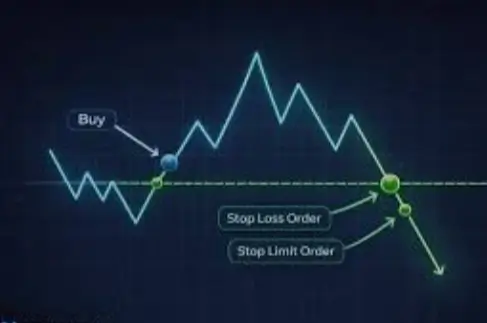

A limit order in cryptocurrency is an instruction to buy or sell a specific amount at a designated price or better. It differs from a market order by only triggering when the market reaches the chosen price. This can improve fill quality and enforce price discipline, but it may not execute if the target price isn’t hit. Traders gain control over entries and exits while accepting the risk of idle capital. The implications vary by market conditions, and consequences surface once the strategy is tested.
How a Crypto Limit Order Works (With a Practical Example)
A crypto limit order lets a trader specify the maximum price they are willing to pay (or the minimum price they are willing to sell) for a cryptocurrency, with the order executing only if the market reaches that price or better. It demonstrates limit order mechanics and how order routing nuances influence fill probability, timing, and execution efficiency in volatile markets.
When to Use Limit Orders: Scenarios and Rules
In practice, limit orders are most useful when price precision and controlled exposure matter more than immediate execution. They appear in scenarios requiring deliberate entry or exit, aligning with specific price strategies and risk budgeting.
Consider time in force preferences, liquidity profiles, and order types to balance cost, certainty, and speed, ensuring disciplined trading without chasing volatility.
See also: How AI Is Used in Remote Patient Monitoring
Common Pitfalls and How to Avoid Them
Common pitfalls with limit orders often stem from misjudging price movement, timing, and liquidity. Traders should recognize that market orders may affect price, and that poor timing can lock capital. Understand order routing: routes may impact fill quality and speed. Monitor depth, cancel stale orders, and avoid overreliance on a single exchange. Practice, review, and adjust based on observed outcomes.
Practical Tips Across Exchanges and Market Conditions
Across exchanges and varying market conditions, traders can refine limit-order strategies by aligning price targets with liquidity, considering routing differences, and adapting to volatility spikes.
Practical tips include monitoring order-book depth, employing time-in-force options, and testing partial fills to reduce slippage.
Emphasize volatility strategies and liquidity mechanics to maintain control while pursuing favorable execution and adaptable risk tolerance.
Conclusion
A limit order helps traders set their entry or exit at a specific price, avoiding slippage in volatile markets. It may sit idle until the target price is reached, then execute, or remain unfilled if the price never hits the level. Imagine a lighthouse keeper signaling a ship only when the harbor lights align—the order waits for the exact cue. In practice, this discipline safeguards profits and risk, though patience is required when markets drift.